(405) 425-5070
Skyscrapers including the Willis Tower (formerly Sears Tower), right, rise above downtown Chicago — as seen from the 360Chicago observation deck in the John Hancock Tower.
Views
Photo by Erik Tryggestad

5 needs and 5 opportunities for urban churches today

How big city churches can shine the light of Christ into evolving urban areas.

Getting your Trinity Audio player ready...

What do church leaders in urban areas wrestle with? What do they hope for? What do they dream of? And how can Christian institutions walk alongside them in meaningful ways?

These were the guiding questions of a listening tour I conducted over a year with churches in six cities — Memphis, Tenn.; Little Rock, Ark.; Dallas; Houston; Atlanta; and Chicago. The survey involved 134 participants representing 65 congregations of Churches of Christ.


Related: A new vision for urban ministry training in Memphis


Participants included preaching ministers, associate ministers, elders, deacons and engaged members. Racial demographics were fairly balanced, with a slight majority of White leaders (54%), and the churches themselves ranged from predominantly White or Black to racially mixed congregations.

When asked to describe their church’s surrounding neighborhood, the most common descriptor was racially and economically mixed.
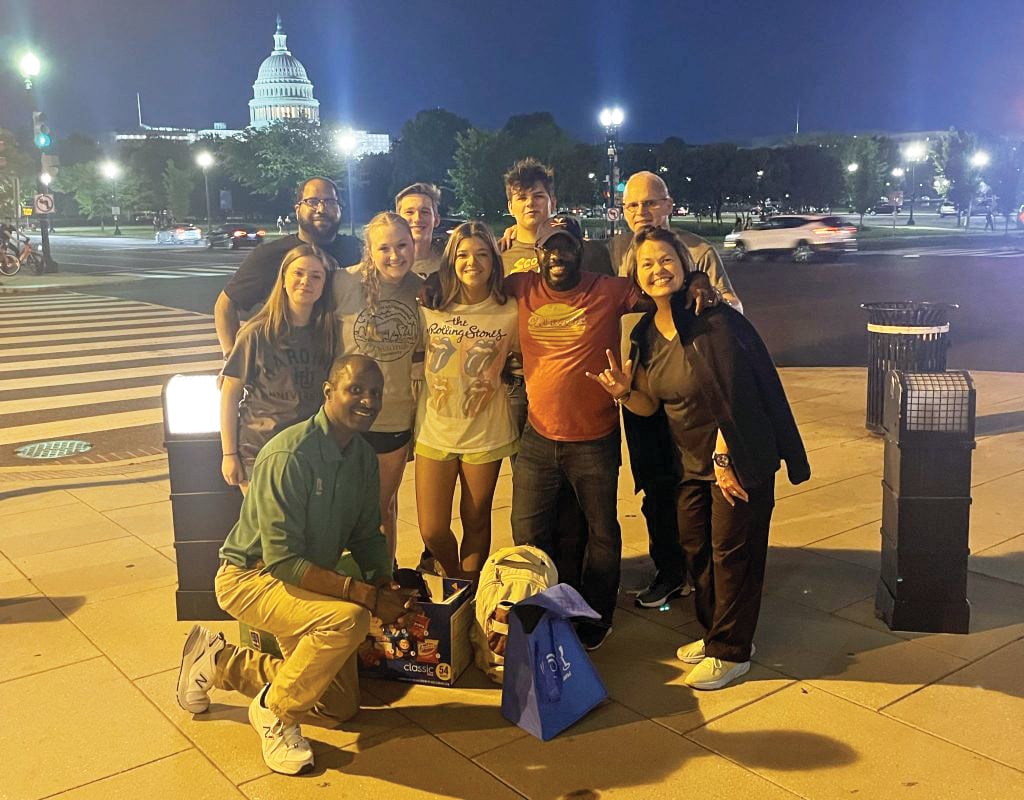
Christians minister to the homeless in Washington, D.C.

Christians minister to the homeless in Washington, D.C.

I primarily asked four key questions to get at the heart of participants’ needs, hopes and dreams for their city church.

From rich conversations in writing, small groups and larger sessions, five themes emerged — consistent across all six urban contexts.

  1. Church leaders want to come together. Leaders desire to work together more. Our autonomy causes isolation; our racial differences bring separation. But these leaders aspired to find ways to come together on common ground for kingdom causes. Leaders acknowledged the need for ministry partnerships to engage the city, yet they also admit theological differences that makes cooperation hard.
  2. Church leaders believe God is working. Words like hope, revival, providence, awakening or openness peppered conversation concerning the current spiritual environment in cities. Leaders sense God is up to something, and hearts are softening toward spiritual things. As one minister put it, it feels like “tremors before the earthquake.” The key question is, will we be attentive to what God is doing? The hurry culture that is ever-present in urban areas may cause the church to miss what God is doing.

    “Leaders sense God is up to something, and hearts are softening toward spiritual things. As one minister put it, it feels like ‘tremors before the earthquake.’”

  3. Church leaders long for missional renewal. Leaders desired for their churches to be incarnational witnesses that engage their neighborhoods in word and deed. Yet, barriers abound. Too often, churches are bogged down by tradition or other distractions. “Commuter churches” are disconnected from their neighborhood. The busyness of members and constantly changing urban dynamics often leave church leaders at a loss on how to engage missionally. And yet, overwhelmingly, leaders deeply desire to see their church reach out.
  4. Church leaders want to better “do justice and love mercy.” Caring for the poor, welcoming the immigrant, loving the neighbor — these burn in church leaders’ hearts. And yet, how does a church do this well? The “city” is still viewed as scary and fearful by many. The needs of poverty can be overwhelming. Leaders expressed confusion on how to care for the needy in faithful and responsible ways, especially in the urban context, which can seem frightening and overwhelming.
  5. Church leaders recognize the need to equip members. Leaders described wanting more training opportunities — not for preachers, for members. Churches in urban areas often feel strained, and the need is great. “The harvest is plentiful; the workers are few” was quoted regularly. Leaders advocated for finding more ways for ordinary disciples to be developed further in spiritual formation, discipleship and missional engagement.
Davis Worley, minister for the Sandtown Church of Christ, prays over a family during the church’s back to school campaign.

Davis Worley, minister for the Sandtown Church of Christ, prays over a family during the church’s back to school campaign.

These five themes are not completely surprising, but I believe they offer strategic priorities. I submit that churches ask five questions to locate opportunities for the future:

  1.     How can we create more ways to collaborate with other congregations across race and theological disagreements?
  2.     How can we slow down to discern the new work God is doing in our cities?
  3.     How can we become a missionary church in our neighborhood?
  4.     How can we embody faithful practices of justice and mercy to the broken?
  5.     How do we better train and release our members for ministry and mission?

While the historic past of Churches of Christ is rural, the future is urban. At the Harding Center for Church and City Engagement, we are committed to walking alongside churches to provide support and training to help churches to engage the city for the mission of God.


STEVE CLOER, based in Memphis, is an associate professor of ministry at the Harding School of Theology in Searcy, Ark., where he directs the Doctor of Ministry program and the Center for Church and City Engagement. Contact [email protected].

Filed under: Caring for the needy Christian unity discipleship Evangelism inner-city ministry justice loving neighbors Mercy Opinion Top Stories Urban churches urban ministry Views

Did you enjoy this article?

Your donation helps us not only keep our quality of journalism high, but helps us continue to reach more people in the Churches of Christ community.